In this article
In the ever-growing landscape of environmental awareness, the concept of carbon reporting has become a crucial element in understanding and mitigating the impact of human activities on the planet.
In the UK, environmental sustainability has become a national focus. Government policies and corporate responsibility requirements have put a spotlight on organisations to report their environmental contributions and improvements.
As a result, organisations are asking themselves: ‘Is carbon reporting mandatory?’
What is carbon reporting?
Carbon reporting is now a well-known term for measuring and understanding our impact on the planet.
At its core, carbon reporting is the systematic process of quantifying and disclosing the amount of greenhouse gas emissions generated by an entity, be it an individual, business or even a nation. In this article, we will consider carbon reporting from a business perspective.
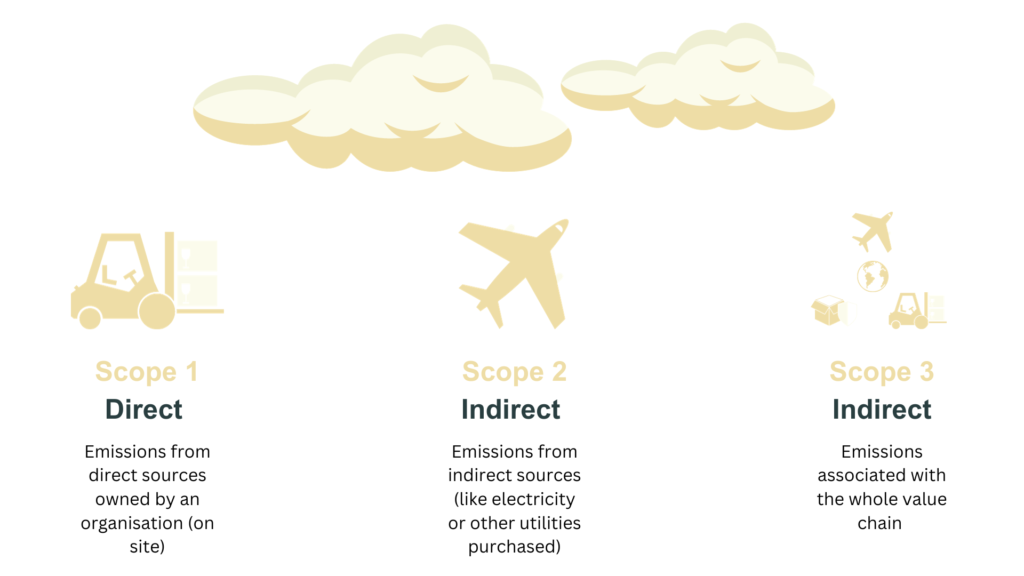
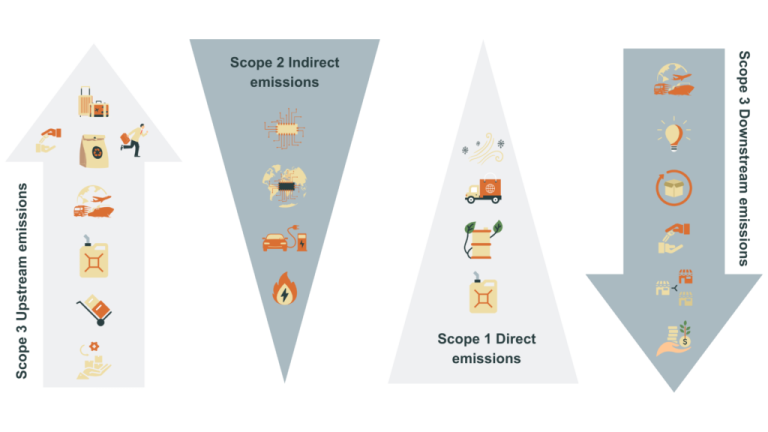
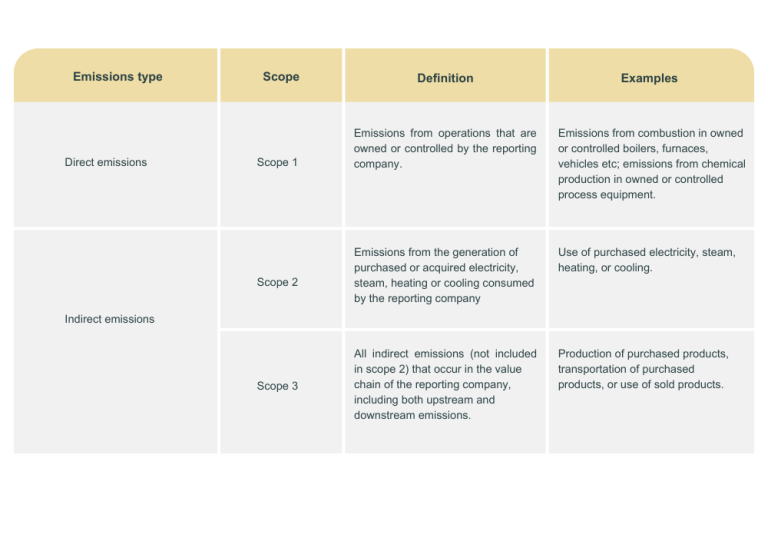
Carbon reporting primarily involves thorough data collection and analysis of emissions sources. Categorised into direct (scope 1), indirect (scope 2) and other indirect (scope 3) emissions. The identification of all scopes and sources of emissions provides a detailed overview of a business’ carbon landscape. Once identified, the data can be translated into standardised metrics through conversion factors and then reported for voluntary or compliance reasons.
What is the purpose of carbon reporting?
The primary goal of carbon reporting is to assess and communicate the impact of a business’ activities on the environment. Carbon reporting is a crucial tool for organisations to understand, manage and reduce their carbon footprint with measurable targets and tools. Aside from this, the key purposes of carbon reporting include:
- Environmental accountability: By calculating and reporting carbon emissions, a business can hold itself accountable for its impact on the environment and contribution to climate change.
- Setting goals: Carbon reporting can serve as a beneficial tool for identifying an organisation’s baseline emissions usage. This baseline can serve as a reference point for future comparisons, and be used for setting smart emissions reduction goals, that can be achieved with accurate tracked data over time.
- Risk management: Understanding and managing carbon emissions enables organisations to have a tighter grasp of their risk management processes. Organisations can subsequently implement measures to reduce emissions. These measures which often align with other practices, such as energy efficiency practices, which may result in lower operational costs and increased competitiveness.
- Compliance: Organisations which are FCA regulated, or part of the SECR, or ESOS are required to report their carbon emissions. In addition, any UK business aiming to obtain government contracts is obligated to report carbon emissions. For these organisations carbon reporting is essential to remain competitive and continue normal business practices.
Is carbon reporting mandatory in the UK?
Carbon reporting is not mandatory for all businesses in the United Kingdom but an ever-growing section of businesses in the UK are being required to report their carbon emissions.
SECR
Streamlined Energy and Carbon Reporting
Quoted companies, and large unquoted companies and LLPs with £36m+ turnover, an £18m+ balance sheet or 250+ employees.
ESOS
Energy Savings Opportunity Scheme
Organisations with more than 250 employees, over £50m turnover or a balance sheet over £43m.
For example, companies quoted on the London Stock Exchange, or large unquoted companies and LLPs who have an annual turnover of £36M+, balance sheet totalling £18M+ or employing 250+ employees, are required to report their carbon emissions through the Streamlined Energy and Carbon Reporting (SECR) framework. The primary goal of the SECR is to improve transparency and encourage businesses to disclose their energy use and carbon emissions.
Large organisations with more than 250 employees, an annual turnover of over £50 million or those holding an annual balance sheet total exceeding £43 million are also required to report their carbon emissions to the Energy Savings Opportunity Scheme (ESOS). The ESOS is a separate framework to the SECR which also operates in the UK and aims to promote greater energy efficiency and identify energy-saving opportunities.
While ESOS and SECR seem similar on paper, there are some differences. ESOS mainly focuses on energy efficiency assessments, while SECR is broader and encompasses energy use, GHG emissions reporting and is applicable to a wider range of organisations. Often though, larger businesses fall under both ESOS and SECR requirements.
Aside from mandatory carbon reporting schemes, businesses are not required by law to report their carbon emissions. However, it can often be a widely beneficial practice.
Implement ISO 14001 in 10 steps
If you would like to find out how ISO 14001 can help your business in 10 steps read our implementation article.
What are the benefits of carbon reporting?
Voluntary carbon reporting offers several benefits for businesses that go beyond regulatory benefits. Voluntary reporting shows a commitment to transparency, efficiency, and alignment with global goals for a sustainable future. Some of the key benefits include:
- Enhanced transparency: Organisations can demonstrate a commitment to being transparent and open which helps to build greater trust with stakeholders, such as customers, investors, and the general public by honestly reporting on their environmental impact.
- Stakeholder engagement and community relations: Voluntarily reporting can enable organisations to reach a wider group of stakeholders who prioritise environmental sustainability. This can lead to more positive business relationships, increased brand loyalty and a greater transparency of a company’s core values.
- Competitive advantage: An organisation can often gain a noticeable competitive advantage by embracing voluntary reporting. This is especially true in markets that focus on or require sustainability for the sake of business continuity. By proactively disclosing carbon emissions, an organisation can attract environmentally conscious consumers, investors, and partners, fostering greater brand loyalty.
- Innovation, efficiency and in turn attracting investment: The process of voluntary carbon reporting often uncovers a number of opportunities for innovation and efficiency improvements. The detailed analysis of activities and emissions involved in carbon reporting can identify key areas of improvement and help lead to cost savings, and a better, streamlined, sustainable business model.
- Employee morale: Companies that voluntarily report their carbon footprint often manage to attract greater numbers of skilled employees who value environmental responsibility and as a result feel more connected to their employer. This can foster a positive company culture and in turn attract top talent who align with the company’s values, beliefs and goals.
- Alignment with the planet: Voluntary reporting fosters alignment with global sustainability goals, such as the United Nations Sustainable Development Goals (SDGs), and more. Voluntarily disclosing a carbon footprint puts an organisation on the side of our planet and its future, helping such a business find increased support and recognition on a global scale.
By voluntarily reporting carbon emissions, organisations can enhance their transparency, boost employee morale, gain a competitive advantage and identify improvements and cost savings to be made. Businesses that choose to voluntarily report their carbon emissions can also take part in frameworks such as ESOS and SECR which can help their reporting, like the Task Force on Climate-related Financial Disclosures (TCFD).
The TCFD provides a framework for companies to disclose information about their climate-related financial risks and opportunities voluntarily. The TCFD can help businesses by offering guidelines and recommendations for voluntary disclosure in four key areas: governance, strategy, risk management, metrics and targets. Voluntary disclosure can help investors understand how climate related considerations impact and often assist company performance, leading to greater awareness and improvements in these areas.
The TCFD does also require large UK-registered companies, asset managers, and financial institutions to report on their climate-related risks and opportunities.
How to calculate and report carbon emissions?
Calculating carbon emissions, whether voluntarily or as part of a mandatory obligation, involves several steps to accurately assess the environmental impact of business operations.
Regardless of the nature of the reporting, calculating the emissions always starts in the same place; identifying all the sources of GHG emissions in a business. This can include energy consumption, transportation, waste management, and more.
Following the identification of emission sources, a business should determine if each emission source is direct (scope 1), indirect (scope 2) or otherwise indirect (scope 3). This sets up the business to accurately collect and categorise relevant data from each source and use conversion factors to convert the activities into standardised CO2 equivalent emissions.
After gathering data and converting the data into standardised units, a business can consider offsets and removals, and set measurable reduction targets. These findings, targets and other intricacies can then be communicated voluntarily as part of a business growth opportunity, compliance requirement or purely for transparency.
Summary
Carbon reporting stands as a crucial tool in the landscape of environmental sustainability, both as a mandatory reporting tool and as a voluntary effort. While not currently mandatory for all businesses, the requirements under schemes like SECR and ESOS highlight the need for transparency and accountability when it comes to the environment.
Accentuating the benefits of voluntary reporting in terms of transparency, stakeholder engagement and employee morale. Carbon reporting is not just about compliance, it’s an opportunity to make a positive impact on our planet whilst driving innovation in the global market.
Elisabeth is an Associate Consultant and Associate Tutor of the British Standards Institution (BSI), a BSI qualified Lead Auditor and member of the Standard Committee responsible for the publication of the BS 10008 Standard.
Elisabeth can help you decide if ISO 14001 is for you and support you through its implementation, all the way to certification.
Next step
Need help putting this into practice?
Tell us which standard your client has asked for, and we’ll tell you what it takes.